Solar Is Often Described as “Low Maintenance”
Commercial solar PV is frequently promoted as a low-maintenance solution. There are no moving parts, no fuel deliveries and no daily intervention required.
For many businesses, this creates an assumption that once panels are installed, the system will quietly perform in the background for decades.
While it is true that solar systems are generally reliable, this perception can be misleading. In reality, commercial solar installations are complex electrical assets that require ongoing oversight. When responsibility for that oversight sits in-house, several hidden risks begin to emerge.
Silent Underperformance Is the Biggest Threat
One of the most common issues with owned solar systems is not complete failure, but gradual underperformance. Inverters degrade, panels suffer from soiling or shading, and connections loosen over time. These issues rarely cause sudden outages. Instead, they reduce output incrementally.
Without specialist monitoring in place, many businesses do not notice these losses as they occur. Energy bills may still be lower than before solar was installed, masking the problem. By the time underperformance is identified, months or even years of lost generation may have passed.
This silent erosion of value is one of the most significant risks of in-house solar maintenance, and one that is often underestimated during the initial investment decision.
Monitoring Requires Time and Expertise
Effective solar monitoring is not simply a matter of checking that a system is switched on. It involves analysing performance data, comparing expected and actual output, and identifying anomalies early.
For most facilities or estates teams, this is not a core skillset. Solar monitoring platforms can be complex, and interpreting their data requires experience. When monitoring is treated as an occasional task rather than a priority, issues are more likely to be missed.
Over time, this can significantly reduce the financial return that ownership was meant to deliver.
Commercial Solar Maintenance Is Broader Than Many Expect
Maintenance is often thought of as cleaning panels or replacing faulty components. In practice, in-house responsibility for solar includes a wider range of obligations.
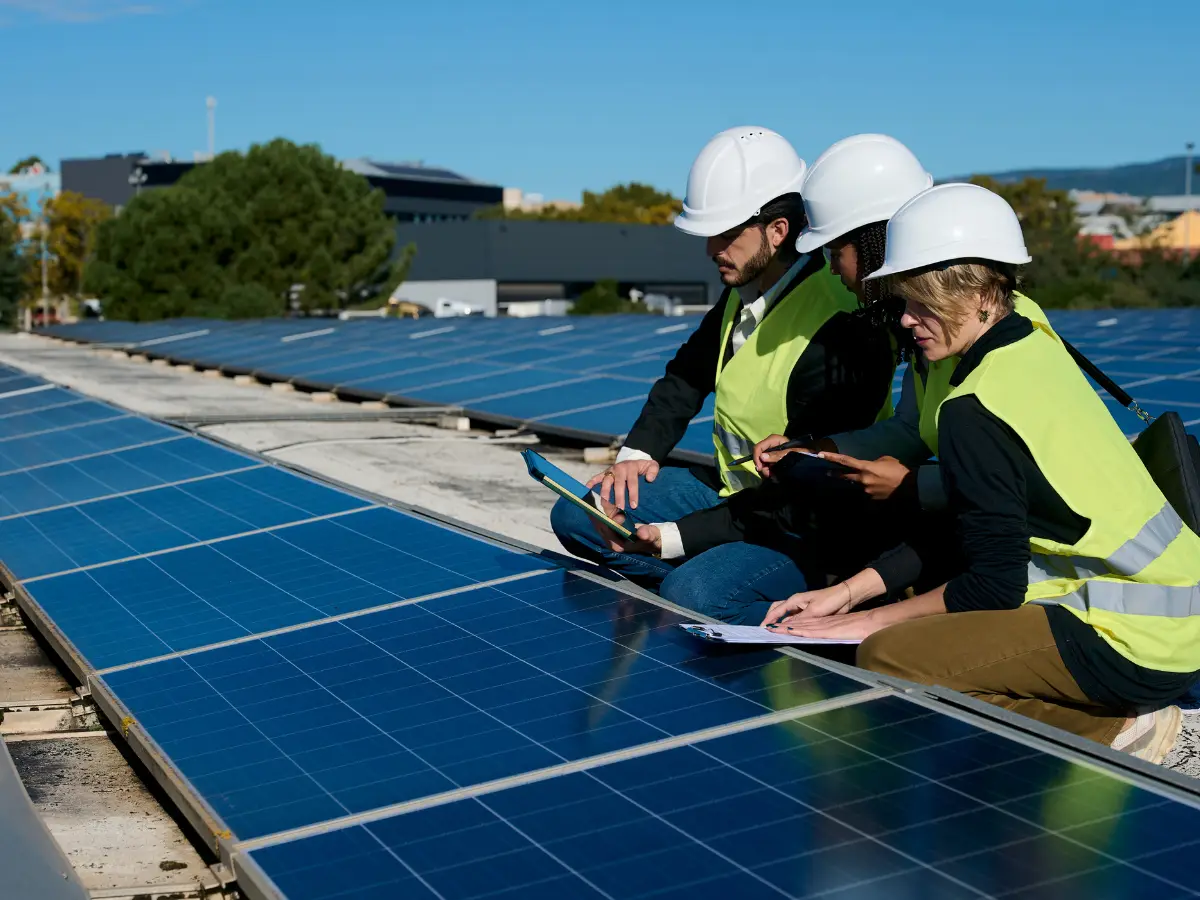
Commercial solar systems are high-voltage electrical assets installed on occupied buildings. Ownership brings responsibility for electrical safety compliance, roof access management, structural considerations and ongoing inspection regimes. These requirements do not disappear simply because the system appears to be functioning.
For businesses without dedicated energy or electrical specialists, managing these obligations internally can be challenging and time-consuming.
Accountability and Liability Sit With the Owner
When a business owns its solar system, it also owns the associated risk. If a fault causes downtime, the financial impact is immediate. If compliance requirements are not met, liability rests with the organisation.
Warranty claims, contractor coordination and fault diagnosis all require internal resources. These activities often compete with other operational priorities, increasing the risk that solar issues are deprioritised.
Over time, what was intended as a cost-saving measure can become an operational distraction.
How Commercial Solar PPAs Reduce These Risks
Solar Power Purchase Agreements are designed to address these challenges. Under a PPA, the provider remains responsible for monitoring, maintenance and compliance. Because their revenue depends on system performance, they have a direct incentive to identify and resolve issues quickly.
Specialist providers monitor systems continuously, often identifying problems before they materially affect output. Maintenance is planned and proactive, rather than reactive and ad hoc.
For the customer, this means higher reliability, more predictable savings and far less operational exposure.
Reliability Comes From Alignment
The key difference between in-house maintenance and a PPA model is the alignment of incentives. When performance matters financially to the provider, systems are managed accordingly.
For businesses that value predictability and want to avoid hidden operational risks, this alignment is often what makes the difference.